
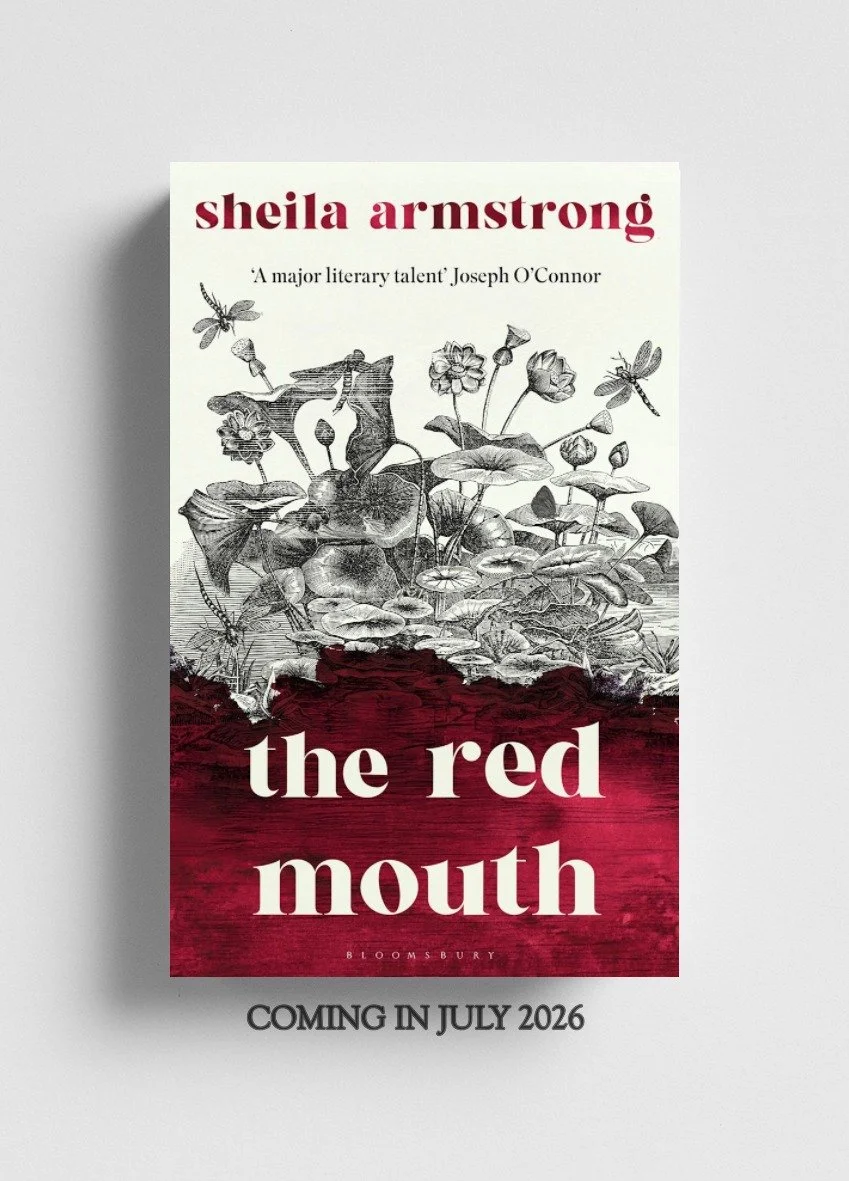
When a dog finds a strange, alien antler in a restored bog, the owner's first thought is to keep it for himself. But when he realises the value of his find, he is drawn back to the rich peat to keep searching. It is not one stag skeleton that is buried there, but dozens – an ancient dying ground of the Great Irish Elk.
Other things have surfaced from the bog: prehistoric settlements, bronze cauldrons, ancient butter, iron weapons – and the mutilated body of a two-thousand-year-old female. Fifty years ago, a young archaeologist named her Belroe Woman, and dedicated his life to telling the story of her sacrificial death.
From antler to bog body, The Red Mouth – an béal rua – is a haunting, lyrical exploration of how shifting histories can reshape landscape, language and legacies. The deep time of the bog is both mystical and sinister, the iron-fed streams running through its soil staining everything they touch. Those bound to it must decide what to bury – and what to unearth.

On an isolated beach set against a lonely, windswept coastline, a pale figure sits serenely against a sand dune staring out to sea. His hands are folded neatly in his lap, his ankles are crossed and there is a faint smile on his otherwise lifeless face.
Months later, after a fruitless investigation, the nameless stranger is buried in an unmarked grave. But the mystery of his life and death lingers on, drawing the nearby villagers into its wake. From strandings to shipwrecks, it is not the first time that strangeness has washed up on their shores.
Told through a chorus of voices, Falling Animals follows the crosshatching threads of lives both true and imagined, real and surreal, past and present. Slowly, over great time and distance, the story of one man, alone on a beach, begins to unravel. Sheila Armstrong's debut novel is elegiac, atmospheric, dark and disquieting.
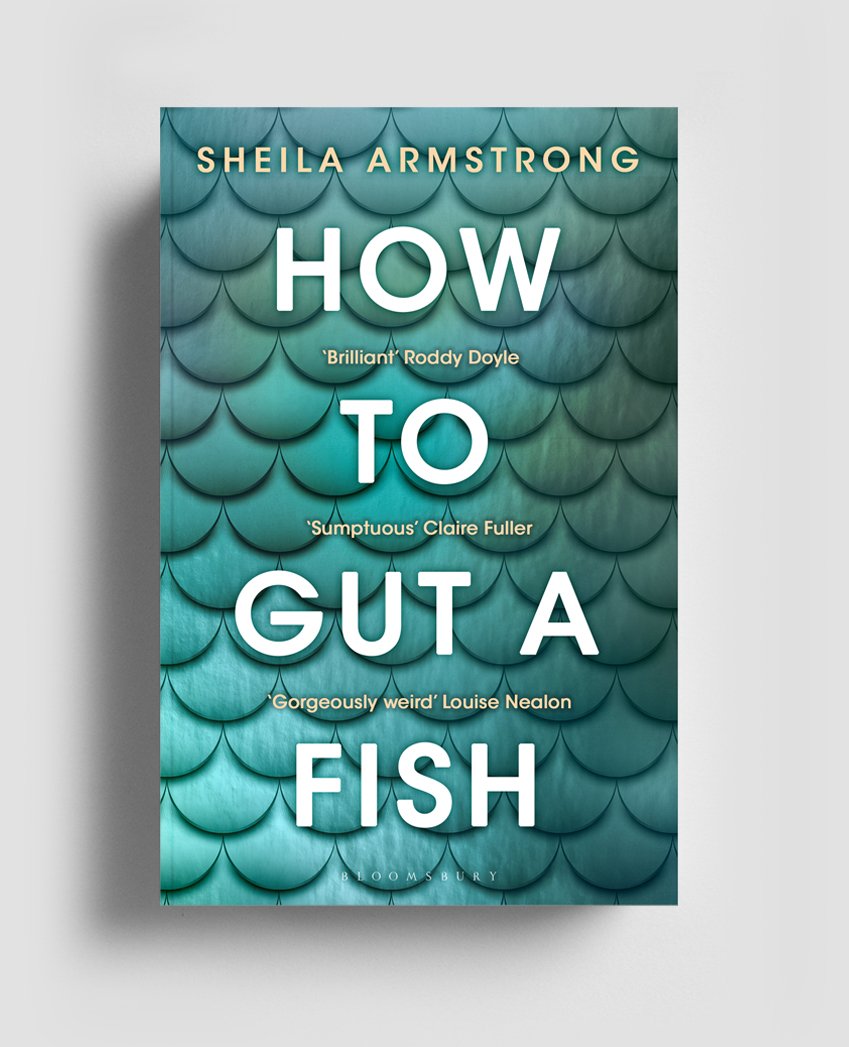
On a boat offshore, a fisherman guts a mackerel as he anxiously awaits a midnight rendezvous.
Villagers, one by one, disappear into a sinkhole beneath a yew tree.
A nameless girl is taped, bound and put on display in a countryside market.
A man returning home following the death of his mother finds something disturbing among her personal effects.
A dazzling and disquieting collection of stories, How To Gut A Fish places the bizarre beside the everyday and then blurs the lines. Sheila Armstrong's provocative stories carve their way into your mind and take hold.